
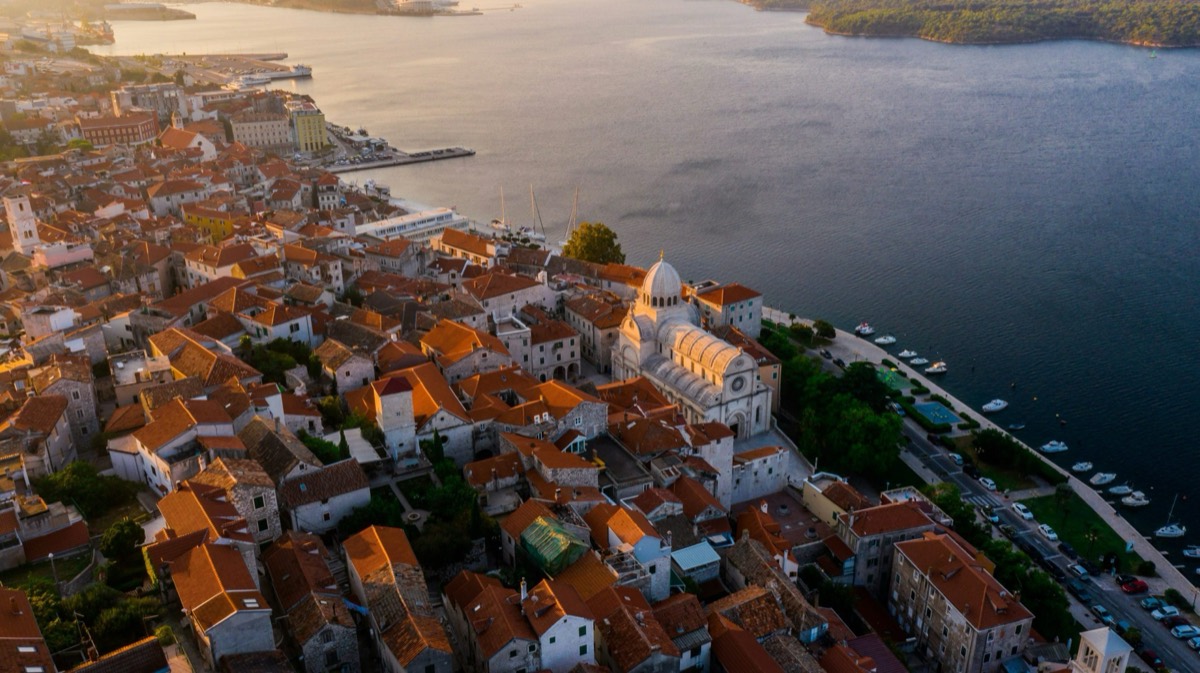
Split has a Mediterranean climate, dry hot summers and mild wet winters. The tourist season runs May through October with peak density in July and August. Here is what the real experience looks like by month.
January and FebruarySplit in January is cold by local standards (6-10°C) and frequently rainy. The old town is largely empty of tourists. Restaurants serve locals. Hotels operate at 20% capacity with significantly reduced rates. The Diocletian's Palace old town without crowds is visually unusual and worth seeing.
For private tours: land tours to Plitvice, Dubrovnik, and Krka operate year-round but with lower visitor density. Plitvice in winter is genuinely beautiful. The upper lakes partially freeze, the waterfalls continue, and there are almost no other visitors. Entrance fees drop by 70%.
Boat tours: limited. The Adriatic in January is not a swimming destination. Sea state makes boat tours to the Blue Cave and open-water routes impractical. Short coastal cruises operate on calm days. Not the month for sea excursions.
March and AprilTemperatures rise to 12-18°C. Sea temperature is 14-16°C. The old town begins to feel less empty. Plitvice in April has some of the best water flow as snowmelt raises the lake levels.
Boat tours resume in earnest from April. The Blue Lagoon in April with flat water and no other boats is genuinely special. Sea temperature for swimming is cold but manageable for shorter swims.
MayThe last reliable month before full tourist season. Temperatures reach 20-26°C. Sea temperature is 17-19°C. Crowds at major sites are manageable. Prices are below peak. Ferry frequencies increase. The transition month: almost everything is open, most things are not yet crowded.
Hvar's lavender is just beginning in late May.
JuneCrowds increase from June 15 onwards. Before mid-June, the combination of warm weather (24-28°C), warm sea (20-22°C), and below-peak visitor numbers makes June one of the better months to visit. Boat tours operate fully. Plitvice is accessible without the July queuing problem until approximately June 20.
July and AugustPeak season. Temperatures reach 32-38°C in Split city. Sea temperature is 24-26°C, the warmest of the year. Every major attraction is at full capacity. Accommodation prices are at maximum. Ferries run multiple times daily and are often full.
For private tours from Split, the logistics require earlier departures and more advance booking. The Blue Lagoon at 08:30 in July is still beautiful; at 11:00 it is crowded. Plitvice at 07:00 arrival is manageable; at 10:00 it is queued.
The sea is at its most reliably calm in July and August. Blue Cave accessibility is highest. This is the best month for boat tours in terms of sea conditions, if you can accept the crowds at stopping points.
SeptemberThe transition month toward the better end. Temperatures drop to 24-28°C. Crowds decrease noticeably from September 10 onwards. Sea temperature is still 22-24°C. Accommodation prices drop. This is consistently the best month for experienced visitors who want warm weather without July-August density.
OctoberSea temperature drops to 18-20°C. Boat tours continue into October with adjustments for cooler conditions and shorter daylight. Land tours have good weather through the month. Plitvice in October has turning leaf colours on the surrounding beech forests. Crowds have largely departed.
November, DecemberOff season. Most tourist-facing operations close or reduce hours. Hotels are at low capacity. The sea is no longer used for swimming. Land tours to Dubrovnik and Plitvice operate as year-round destinations with winter-specific characteristics.